

The Complete Guide to Using Search Intent for Lead Generation

Are you tired of marketing efforts that feel like shouting into the void? You spend time and resources creating content, running ads, and reaching out to potential clients, only to see a trickle of uninterested leads. It’s frustrating, to say the least. You know your product or service can solve real problems, but getting it in front of the right eyes at the right moment feels like a constant battle.
What if you could shift your focus from simply being present to being relevant? What if you could understand exactly what your potential customers are thinking and feeling as they search for solutions, and then meet them precisely where they are? This is the power of understanding search intent for lead generation.
In this guide, you’ll learn how to uncover this hidden layer of intent, transforming your marketing from a broad net into a laser-guided missile. We’ll explore practical strategies to align your content, your SEO, and your outreach with what your audience truly wants, leading to higher quality leads and a more efficient sales cycle. Get ready to attract more of the right kind of attention.
Understanding the “Why” Behind the Search: The Core of Search Intent for Lead Generation
Every search query typed into a search engine is a window into a person’s mind. It’s not just about the words they use; it’s about the underlying motivation, the problem they’re trying to solve, and the stage of their decision-making process. This underlying motivation is what we call “search intent.” For B2B lead generation, grasping this intent is paramount. It’s the difference between attracting someone who’s just browsing and someone who’s actively looking to buy.
Think of it like this: If someone searches for “how to improve team productivity,” their intent is likely informational. They are in the early stages of research, exploring options and gathering knowledge. If, however, they search for “project management software pricing,” their intent is much closer to transactional. They’ve likely evaluated solutions and are now focused on cost and making a decision.
By understanding these different layers of intent, you can tailor your B2B lead generation efforts more effectively. You can create content that speaks directly to their current needs and guide them smoothly from awareness to consideration and finally, to a purchase decision. This strategic approach ensures that your marketing messages land with maximum impact, attracting prospects who are not only interested but also ready to engage.
In addition to exploring the strategies outlined in The Complete Guide to Using Search Intent for Lead Generation, you may find it beneficial to read about the effective utilization of first-party data in your marketing efforts. The article on how to use first-party data with Google Ads provides valuable insights into leveraging customer information to enhance your advertising campaigns. For more details, check out the article here: How to Use First-Party Data with Google Ads.
Informational Intent: Building Authority and Trust

At the foundational level of search intent is the “informational intent.” This is when a user is looking for answers, information, or to learn about a topic. In the B2B landscape, this often means prospective clients are in the information-gathering phase, trying to understand a problem they’re facing or research potential solutions. For example, a marketing director might search for “best practices for account-based marketing” or “how to reduce customer churn.”
Your goal with informational intent is to become the trusted source of information. You want to educate your audience, establish your expertise, and build a relationship before they even consider a purchase. This is where valuable content like blog posts, guides, webinars, and infographics shine.
Strategies for Informational Intent:
- Create Deep-Dive Content: Develop comprehensive articles, whitepapers, and e-books that thoroughly address common pain points and industry challenges. For instance, if your software helps with supply chain optimization, create content about “Navigating Supply Chain Disruptions” or “5 Ways to Improve Inventory Management Efficiency.”
- Answer Questions Directly: Use tools like “People Also Ask” sections in search results or conduct keyword research to identify the specific questions your target audience is asking. Then, create content that provides clear, concise, and actionable answers.
- Focus on Long-Tail Keywords: These are more specific, longer phrases that users often employ when they are in the information-gathering stage. For example, instead of “CRM,” target “what is a good CRM for small manufacturing businesses.” This attracts a more qualified audience already seeking specific types of solutions.
- Develop Educational Webinars: Host live or on-demand webinars that delve into complex topics, offer practical tips, and showcase your understanding of industry challenges. This positions you as a thought leader and provides a direct channel to engage with potential leads.
By consistently providing valuable, well-researched content for informational searches, you build a strong foundation of trust and authority. This makes your company the go-to resource when these prospects eventually move to consider solutions, significantly enhancing your search intent for lead generation efforts.
Navigational Intent: Guiding Users to Your Digital Doorstep
Navigational intent occurs when a user already knows about your brand or a specific product and is searching for your website or a particular page on your site. They might type in your company name directly (e.g., “Acme Corp”) or a specific product name they recall. While this might seem like less of an opportunity for new lead generation, it’s crucial for nurturing existing interest and ensuring a smooth user experience.
For B2B lead generation, this intent signals that a prospect knows you and is likely evaluating you or looking for specific information on your site, such as pricing pages, contact forms, or case studies. Missing these signals means potentially losing a lead who is already warm.
Strategies for Navigational Intent:
- Optimize for Branded Keywords: Ensure your website ranks highly for your company and product names. This might seem obvious, but diligent SEO for your own brand is vital.
- Improve Website Navigation: Make it incredibly easy for visitors to find what they’re looking for once they land on your site. Clear calls to action, logical site structure, and a functional search bar are essential.
- Monitor Brand Mentions: Use tools to track mentions of your brand across the web. If someone mentions your company in a review or on a forum, and their intent is to learn more, you want to be easily discoverable.
- Ensure Mobile Responsiveness: Many B2B professionals access information on the go. Your site must be easy to navigate and consume on any device.
While navigational intent might not directly bring in brand new prospects, it solidifies your presence for those who are already familiar with you. It ensures that when they come looking, they find you easily and have a positive experience, which is a crucial part of the overall customer journey, contributing to persistent search intent for lead generation success.
Commercial Investigation Intent: Bridging the Gap to Purchase
Commercial investigation intent is a critical stage in the buyer’s journey where users are actively researching and comparing solutions before making a purchase decision. They’ve moved past broad information gathering and are now looking at specific products, services, and vendors. Keywords in this category often include terms like “best [product category] software,” “[competitor name] vs [your company name],” “[product type] features,” or “reviews of [solution].”
For B2B lead generation, this is where your marketing can really shine by presenting your solution as the ideal choice. You need to provide information that helps prospects make an informed decision, highlighting your unique value proposition and addressing potential hesitations. This is an excellent opportunity to capture highly qualified leads who are nearing a decision.
Strategies for Commercial Investigation Intent:
- Create Comparison Content: Develop well-researched articles or pages comparing different approaches or solutions within your industry, subtly highlighting the strengths of your offering without directly disparaging competitors. For example, a post titled “Choosing the Right [Solution Type]: A Guide to Key Features” can be very effective.
- Develop Product-Specific Pages: Ensure you have detailed pages for each of your key products or services, outlining features, benefits, use cases, and target industries.
- Publish Case Studies and Testimonials: Real-world examples of how your solution has helped other businesses succeed are incredibly persuasive. Showcase quantifiable results and positive client feedback prominently.
- Offer Product Demos and Trials: For software or complex services, providing a free demo or trial period allows prospects to experience your offering firsthand, giving them the confidence to move forward. This is a direct pathway to conversion.
- Use Specific, Benefit-Oriented Keywords: Target keywords that clearly indicate a user is in the comparison phase. Think about phrases like “e-commerce platform for B2B wholesale” or “marketing automation software for SaaS companies.”
By effectively addressing commercial investigation intent, you position your business as a strong contender and guide prospects toward choosing your solution. This segment of search intent for lead generation is often the most fruitful for conversions.
In exploring effective strategies for lead generation, you may find it beneficial to read about the importance of understanding your audience’s needs in our article on terms and conditions. This resource complements “The Complete Guide to Using Search Intent for Lead Generation” by providing insights into how clear communication and transparency can enhance trust and engagement with potential leads. By aligning your content with user expectations, you can significantly improve your lead generation efforts.
Transactional Intent: Sealing the Deal
Transactional intent signifies that a user is ready to make a purchase. They’ve likely done their research, considered their options, and are now looking for the best way to buy. Keywords associated with this intent include terms like “buy [product name],” “[service name] pricing,” “discount [product],” “sign up for [software],” or even specific product SKUs.
For B2B lead generation, capturing transactional intent means having a clear, streamlined path to conversion. You want to make it as easy as possible for these ready-to-buy prospects to become customers. This is the ultimate goal of much of your marketing effort.
Strategies for Transactional Intent:
- Optimize Landing Pages for Conversion: Ensure your landing pages are highly focused, with clear calls to action (CTAs) that prompt the desired action, whether it’s filling out a contact form, requesting a quote, or initiating a purchase.
- Streamline the Checkout or Inquiry Process: Remove any unnecessary steps or friction points from your sales funnel. A complicated sign-up or purchase process can deter even the most motivated buyer.
- Offer Clear Pricing and Packages: Be transparent about your pricing structure. If your pricing is complex, provide clear explanations or a readily accessible contact for inquiries.
- Utilize Retargeting Campaigns: Target users who have visited your pricing or product pages with ads that offer special promotions or direct links to buy. This is a powerful way to re-engage those showing strong transactional intent.
- Ensure Clear CTAs Everywhere: From your website to your ad copy, ensure your calls to action are explicit and direct prospects to the next logical step for a purchase or inquiry.
Successfully engaging with transactional intent means converting interest into revenue. It’s the final, crucial step where your understanding of search intent for lead generation pays off directly.
Harnessing Intent Data for Precision Targeting
Understanding search intent is one thing; acting on it efficiently is another. This is where intent data becomes your most powerful ally in B2B lead generation. Intent data, particularly B2B intent data, provides insights into the online research activities of businesses and individuals, revealing their current needs and buying signals. This data allows you to move beyond demographic or firmographic targeting and focus on intent activation, reaching out to prospects when they are actively looking for solutions like yours.
Think of intent data as a sophisticated weather forecast for your sales team. Instead of guessing when a storm (a buying opportunity) might hit, you get signals that predict it, allowing for precise preparation and action. This is especially relevant in fast-moving sectors like B2B technology, where solution needs can change rapidly.
How to Leverage Intent Data:
- Integrate Buying Signals: Tools that track website visits, content engagement, competitor research, and technology usage can identify companies showing high intent. A surge in visits to your pricing page from a specific company, for instance, is a strong signal.
- Utilize Third-Party Intent Data Providers: Companies specialize in aggregating and analyzing vast amounts of online behavior to identify companies exhibiting specific buying signals. This can include research on particular topics, engagement with certain types of content, or even career page activity indicating expansion.
- Combine Intent with Firmographics and Technographics: Layering intent data with standard business information (company size, industry, existing technology stack) creates a highly accurate picture of a prospect. This ensures you’re not just targeting intent, but the right kind of intent from the right kind of companies.
- Fuel Predictive Lead Scoring: Use intent data to enhance your lead scoring models. Assign higher scores to leads exhibiting strong buying signals, allowing your sales team to prioritize their efforts on those most likely to convert.
- Personalize Outreach: With precise intent insights, you can tailor your sales and marketing messages to directly address the prospect’s current needs and stage of research. A prospect researching cloud migration solutions will respond better to tailored outreach than a generic sales pitch.
By actively collecting and interpreting intent data, you transform your B2B lead generation from a scattered effort into a focused, data-driven strategy. This approach ensures your marketing budget is spent wisely, reaching individuals and businesses when they are most receptive and ready to engage with your offerings.
Conclusion: Turning Intent into Action and Revenue
Mastering search intent for lead generation isn’t just a marketing tactic; it’s a fundamental shift in how you approach attracting and converting business clients. By understanding the “why” behind every search, you can move beyond merely creating content to crafting messages that resonate deeply with your audience at every stage of their decision-making journey.
Remember, informational intent builds your authority, navigational intent ensures discoverability, commercial investigation intent positions you as the solution, and transactional intent closes the deal. By weaving these understandings into your SEO, content strategy, and sales outreach, you create a powerful, cohesive approach to attracting higher-quality leads.
The true power lies in acting on these insights. Leverage intent data to gain clarity on who is looking for what, and when. This precision allows you to deliver the right message to the right person at precisely the right moment, dramatically improving the effectiveness of your marketing and sales efforts.
Ready to stop guessing and start converting? The next step is to audit your current B2B lead generation strategy through the lens of search intent. Identify where you can better align your content, optimize your keywords, and utilize intent data to reach more engaged prospects.
Key Takeaways
- Understand the four primary types of search intent: Informational, Navigational, Commercial Investigation, and Transactional.
- Tailor your content and marketing messages to address the specific needs and motivations of each intent stage.
- Leverage intent data to identify and prioritize prospects who are actively researching solutions like yours.
- Optimize your website and sales funnel for a seamless conversion experience for high-intent prospects.
Take the first step towards a more effective B2B lead generation strategy today. Contact us for a personalized consultation to see how we can help you uncover and act on search intent to drive measurable growth for your business.
FAQs
What is search intent and why is it important for lead generation?
Search intent refers to the purpose behind a user’s online search query. Understanding search intent is crucial for lead generation because it helps businesses create content that matches what potential customers are actively looking for, increasing the chances of attracting qualified leads.
How can businesses identify the search intent of their target audience?
Businesses can identify search intent by analyzing keywords, studying user behavior on their website, using tools like Google Analytics and Search Console, and categorizing queries into informational, navigational, transactional, or commercial investigation types.
What types of content align best with different search intents?
Informational intent is best served with educational blog posts, guides, and how-to articles. Navigational intent suits landing pages or brand-specific content. Transactional intent aligns with product pages and clear calls to action, while commercial investigation benefits from comparison articles and reviews.
How does optimizing for search intent improve lead quality?
Optimizing for search intent ensures that the content meets the specific needs of users at different stages of the buying journey, attracting visitors who are more likely to convert into leads because the content addresses their immediate questions or purchase readiness.
What tools can help in leveraging search intent for lead generation?
Tools such as Google Keyword Planner, SEMrush, Ahrefs, Moz, and Google Analytics can help analyze search queries, understand user intent, track website performance, and optimize content strategies to effectively generate leads based on search intent.
Related Posts

The True Cost of Chasing Unqualified Leads
You're a business owner or a marketing director focused on growth. You’re investing in marketing,…

Window Installation Marketing Strategies: Attracting Homeowners Comparing Installation Quotes
Attracting Homeowners Comparing Window Installation Quotes: A Practical B2B Marketing Guide As a business owner…
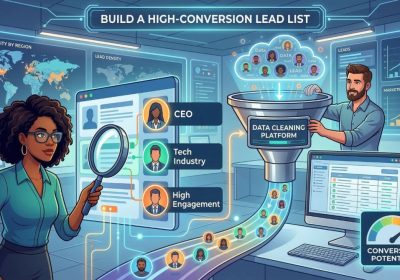
How to Build a Lead List That Converts
Building a truly effective lead list in today’s competitive business landscape is less about the…