

How Intent Data Transforms Your B2B Lead Generation in 2026

In the fast-paced world of B2B marketing, staying ahead is less about guessing and more about knowing. Imagine your sales team consistently reaching out to prospects who are actively searching for solutions like yours, right at the moment they’re ready to buy. This isn’t a fantasy; it’s the power of intent data in 2026. For too long, B2B lead generation has felt like casting a wide net, hoping to catch a few valuable fish. But what if you could pinpoint the exact schools of fish and understand their feeding patterns before you even cast your line? That’s the transformation B2B intent data brings to your organization. In this article, you’ll learn how to harness real-time, AI-driven intent signals to proactively identify and engage high-value prospects, accelerate your sales cycles, and significantly improve your marketing ROI. We’ll explore practical tactics, understand how to interpret complex signals, and ultimately, equip you to transform your lead generation strategy for maximum impact.
The Shift from Passive to Proactive: Understanding Buyer Intent in 2026
The landscape of B2B purchasing has undergone a profound evolution. Buyers are more informed, more in control, and more likely to conduct their research independently before ever engaging with a sales representative. This means that traditional marketing approaches, which often rely on demographic data and broad segmentation, are becoming less effective. In 2026, simply knowing who your ideal customer is no longer suffices. You need to understand when they are in need. B2B intent data bridges this gap by providing crucial insights into the active research and buying signals your prospects are exhibiting.
This isn’t just about website visits anymore. The most impactful intent data in 2026 comes from real-time, AI-driven analysis of a vast array of buyer activities. Think beyond the obvious clicks on your site. This includes what your prospects are searching for on third-party sites, discussions they’re having in online forums, content they’re consuming, and even the companies they’re researching. This is the proactive prediction of buyer needs, moving your team from a reactive stance to one of anticipation.
A significant advancement is the ability to capture “dark intent.” This refers to the signals generated from unstructured conversations, such as sales calls or internal meetings, that were previously invisible to marketing and sales tools. AI-powered conversation intelligence can now analyze these interactions, extracting valuable insights about buyer concerns, challenges, and timelines. This means even conversations happening within a prospect’s organization can inform your outreach strategy.
Harnessing Real-Time AI-Driven Intent Signals for Superior Targeting
The engine driving effective B2B intent data in 2026 is sophisticated AI and real-time analysis. Gone are the days of waiting for static reports; today, you need systems that can identify and act on intent signals as they happen. This allows you to intercept buyers when they are most receptive to your message, rather than pushing your message onto them when they might not be interested.
AI-Powered Signal Aggregation:
The sheer volume and variety of buyer data can be overwhelming. AI algorithms are essential for sifting through this data, identifying patterns, and surfacing the most significant intent signals. These systems can process information from various sources – your website, third-party content platforms, social media, and even private conversations – to build a comprehensive picture of a prospect’s current focus.
- Example: An AI might notice a surge in research activity around cloud migration challenges coming from a specific set of companies. Simultaneously, it might detect that a contact within one of those companies has been repeatedly visiting your website’s pages on cloud migration solutions. This confluence of signals is a strong indicator of immediate need.
Predictive Analytics for Buyer Journeys:
Beyond simply identifying current intent, AI can predict where a buyer is likely to go next in their journey. By analyzing historical data and current trends, these systems can forecast which stage of the buying process a prospect is in and what information they will likely need at that stage. This allows for highly personalized and timely engagement.
- Proactive Content Delivery: Instead of bombarding prospects with generic content, you can anticipate their needs. If your intent data suggests a prospect is in the evaluation phase, you can automatically serve them comparison guides, case studies, or demo invitations relevant to their demonstrated interests. This feels less like marketing and more like helpful guidance.
Real-time Anomaly Detection:
Significant shifts in a company’s or individual’s online behavior can signal a critical change in their business needs. For instance, a sudden increase in job postings related to operational efficiency within a target account could indicate a strategic initiative that your solution can support. Real-time anomaly detection in intent data systems flags these shifts, prompting immediate attention.
Tactics for Actionable Intent-Driven Lead Generation
Understanding intent data is only the first step. The real value comes from translating those insights into concrete, actionable strategies that drive your lead generation efforts forward. In 2026, the focus is on precision and efficiency.
Prioritizing Accounts and Contacts with High Intent
Not all intent is created equal. Your sales and marketing teams have limited resources, so it’s crucial to direct them towards the opportunities that have the highest probability of conversion. B2B intent data provides the clarity needed for effective prioritization.
- Account Scoring: Assign scores to target accounts based on the strength and recency of their collective intent signals. Accounts that show research activity across multiple relevant topics and engage with your content consistently should receive a higher priority.
- Contact Prioritization: Within high-intent accounts, identify the specific contacts who are exhibiting the strongest individual intent. This might be someone who has repeatedly visited pricing pages, downloaded detailed solution briefs, or engaged with your sales team’s outreach.
- Sales-Marketing Alignment: This prioritization process is a fertile ground for sales and marketing alignment. When both teams agree on what constitutes high intent and how to act on it, your go-to-market strategy becomes significantly more cohesive and effective. Studies show that companies with strong sales-marketing alignment see significant performance boosts; a 48% uplift is achievable not just by aligning, but by fueling that alignment with accurate intent signals.
The Power of Predictive Content and Personalized Journeys
Once you know who is interested and why, you can tailor your engagement to meet their specific needs at each stage of their journey. This moves away from a one-size-fits-all approach to a highly individualized experience.
- Dynamic Journey Mapping: Use intent data to dynamically map out the likely journey of a high-intent prospect. This involves understanding their current pain points and predicting the information they’ll need as they move from awareness to consideration and decision.
- Personalized Content Delivery: Based on their observed intent, serve prospects with the exact content that addresses their current questions and concerns. If a prospect is researching competitive solutions, serve them neutral comparison guides. If they are focused on implementation challenges, provide case studies detailing successful deployments.
- Website Personalization: Adapt your website experience in real-time for known high-intent visitors. Display tailored calls-to-action, relevant product recommendations, or even custom messaging based on their industry or prior engagement. This creates a more relevant and engaging experience that guides them towards a conversion.
Accelerating Pipeline Velocity with Intent-to-Meeting Automation
The ultimate goal of many B2B lead generation efforts is to get a meeting scheduled. B2B intent data can significantly shorten the time it takes to reach this critical milestone.
- Intent-to-Meeting Automation: For prospects exhibiting strong buying intent, automate the process of inviting them to a meeting. This could involve sending a personalized email with direct links to schedule a call with a sales representative, or even triggering an alert for a sales development representative to follow up immediately.
- Proactive Engagement Triggers: Set up triggers for specific intent signals that automatically notify your sales team. For example, if a key decision-maker from a target account visits your pricing page multiple times within a day, an alert could be sent to their account manager.
- Reducing Friction: By anticipating needs and offering timely engagement opportunities, you remove barriers that might otherwise prolong the sales cycle. This proactive approach helps your sales team connect with prospects when they are most receptive, leading to shorter sales cycles – often by 30-40%.
Beyond Website Clicks: Capturing Deeper Intent Signals
In the sophisticated world of B2B decision-making, understanding intent goes far beyond simple website traffic. In 2026, you need to look at a broader spectrum of activities to truly pinpoint your most valuable leads. This involves both on-site and off-site indicators, including technical buyer signals.
Enhancing Website Tracking for Granular Insights
Your website remains a crucial touchpoint, but the way you track activity there needs to be more nuanced. Beyond page views, delve into the specific interactions that signal deeper engagement and specific interests.
- Behavioral Analytics: Track how visitors navigate your site. Are they spending time on product comparison pages? Do they revisit case studies? Are they exploring technical documentation? These actions provide granular insights into their decision-making process.
- Form Submission Analysis: Not all form submissions are equal. Analyze the type of form filled out and the context in which it was completed. A download of a technical whitepaper signals a different intent than a request for a general product brochure.
- Time on Page and Scroll Depth: While not definitive on their own, these metrics, when combined with other intent signals, can indicate how engaged a visitor is with specific content. A visitor who spends significant time on a pricing page or scrolls to the bottom of a detailed solution brief is likely demonstrating strong interest.
Event-Led Generation and Third-Party Data for Comprehensive Intent Capture
The signals of buyer intent exist outside your own ecosystem. Leveraging event-led tactics and sophisticated third-party data providers allows you to create a more complete picture.
- Webinar and Event Engagement: Track who attends your webinars, virtual events, or even in-person conferences. Analyze their engagement levels during these events – questions asked, polls participated in, sessions attended. This is a direct indicator of active interest.
- Third-Party Content Consumption: Understand what information your prospects are seeking on industry publications, analyst reports, and research platforms. Many intent data providers can track these activities, giving you insight into what topics are currently top-of-mind for them.
- Technical Buyer Signals: In the tech sector especially, there are unique signals that indicate technical evaluation. This could include activity on developer platforms like GitHub, engagement with technical documentation repositories, or discussions within specialized online communities. Pinpointing these technical buyer signals can identify early-stage technical champions within an organization.
Measuring Success: KPIs for Intent-Driven B2B Lead Generation
To truly understand the impact of your B2B intent data strategy, you need to track the right Key Performance Indicators (KPIs). Moving beyond vanity metrics, focus on those that directly reflect the efficiency and effectiveness of your sales and marketing efforts.
Shifting Focus to Pipeline Velocity and ROI
The ultimate aim of using intent data is to accelerate your sales process and generate greater returns. Key metrics should reflect this.
- Intent-to-Opportunity Speed: Measure the time it takes from when a high-intent signal is detected to when a qualified opportunity is created in your CRM. Reducing this metric signifies that your proactive engagement is working.
- Conversion Rates from Intent-Qualified Leads: Track the conversion rates of leads identified through intent data to understand how effective your targeting and engagement strategies are at each stage of the funnel. You’re likely to see 25-35% higher conversions with this approach.
- ROI from Dark Signals: Specifically measure the return on investment generated from opportunities identified through “dark intent” signals. This highlights the value of uncovering hidden buying interest.
Optimizing for Marketing and Sales Efficiency
Intent data should also contribute to improved efficiency for both your marketing and sales teams.
- Sales Cycle Length: Monitor the overall sales cycle length for deals influenced by intent data. The goal is to see a reduction, reflecting faster progression through the buying stages.
- Marketing Qualified Lead (MQL) to Sales Qualified Lead (SQL) Conversion: Analyze how effectively your intent-driven MQLs are being accepted by sales and converted into SQLs. A high conversion rate indicates that intent data is providing more qualified leads.
- Cost Per Acquisition (CPA) for Intent-Driven Leads: Compare the CPA for leads generated through traditional methods versus those identified and nurtured using intent data. You should see a more efficient spend with intent-driven strategies.
Conclusion: Proactive Engagement is Your New Competitive Edge
In the evolving B2B landscape of 2026, B2B intent data is no longer a luxury; it’s a fundamental requirement for effective lead generation. By shifting from passive observation to proactive prediction, you can ensure your sales and marketing efforts are always focused on the right accounts at the right time. The integration of real-time, AI-driven intent signals, coupled with a strategic approach to engagement, empowers your teams to build stronger pipelines, accelerate sales cycles, and achieve demonstrably better results. This isn’t about more leads; it’s about better leads, engaged at the precise moment they are ready to buy. Embrace these advanced strategies to move your business ahead.
Are you ready to transform your lead generation by understanding buyer intent like never before? Explore how implementing an intent data strategy can directly impact your pipeline velocity and revenue growth.
Key Takeaways
- Harness real-time, AI-driven intent signals to move from reactive to proactive B2B lead generation.
- Identify and prioritize high-intent accounts and contacts for maximum sales efficiency.
- Utilize predictive content and dynamic journey mapping for personalized prospect engagement.
- Measure success with KPIs focused on pipeline velocity, conversion rates, and ROI from intent signals.
3 Internal Link Suggestions:
FAQs
What is intent data in B2B lead generation?
Intent data refers to information collected about a prospect’s online behavior and signals that indicate their interest or intent to purchase a product or service. In B2B lead generation, this data helps identify potential buyers who are actively researching solutions relevant to your offerings.
How does intent data improve lead quality?
Intent data allows businesses to focus on leads that show genuine interest, increasing the likelihood of conversion. By analyzing behaviors such as content consumption, search queries, and engagement patterns, companies can prioritize high-intent prospects and tailor their outreach accordingly.
What types of intent data are commonly used in 2026?
In 2026, intent data includes first-party data (collected directly from a company’s website and platforms), second-party data (shared between trusted partners), and third-party data (aggregated from external sources). These datasets provide insights into buyer behavior across multiple channels and touchpoints.
Can intent data be integrated with existing CRM and marketing tools?
Yes, intent data can be seamlessly integrated with most CRM and marketing automation platforms. This integration enables real-time lead scoring, personalized campaigns, and enhanced sales intelligence, making lead generation efforts more efficient and effective.
What are the privacy considerations when using intent data?
Using intent data requires compliance with data privacy regulations such as GDPR and CCPA. Companies must ensure transparent data collection practices, obtain necessary consents, and handle data securely to protect user privacy while leveraging intent insights for lead generation.
Related Posts

The True Cost of Chasing Unqualified Leads
You're a business owner or a marketing director focused on growth. You’re investing in marketing,…

Window Installation Marketing Strategies: Attracting Homeowners Comparing Installation Quotes
Attracting Homeowners Comparing Window Installation Quotes: A Practical B2B Marketing Guide As a business owner…
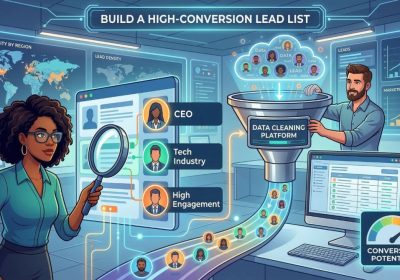
How to Build a Lead List That Converts
Building a truly effective lead list in today’s competitive business landscape is less about the…