

How Law Firms Can Identify Clients Actively Searching for Legal Help

In the dynamic world of B2B, simply making noise isn’t enough anymore. You might have the best product or service, a compelling brand story, and a dedicated team, but if you’re not reaching the right people at the right time, your efforts can feel like shouting into a void. Effective B2B lead identification helps businesses connect with potential clients who aren’t just casually browsing but are actively in the market for what they offer – those who are raising their digital hand, so to speak. This article will guide you through practical methods and a strategic framework to pinpoint these valuable opportunities, ensuring your marketing budget works harder and smarter.
Key Takeaways
- Mindset Shift: Move beyond broad awareness to focusing on clients actively demonstrating purchase intent.
- Digital Footprint Analysis: Use modern digital tools to track and interpret behavioral signals.
- Value-Driven Content: Create resources that address specific pain points of clients in active search mode.
- Optimized Conversions: Streamline your intake process to capture and nurture high-intent leads efficiently.
- Measure and Adapt: Continuously assess your strategies and refine them based on performance data.
Decoding Digital Body Language: Signals of Active Interest
Think of the internet as a vast library where potential clients are constantly researching, comparing, and asking questions. Their “digital body language” offers invaluable clues about their immediate needs. Understanding these signals is the first step in effectively identifying B2B clients who are actively searching for your solutions.
Website Analytics: Your Digital Crystal Ball
Your website is often the first point of contact for an active searcher, and the data it generates is a goldmine. Don’t just look at overall traffic; dive into user behavior.
- Page Views and Time on Page: High numbers here, especially on specific product/service pages, pricing pages, or case studies, suggest deep engagement. A client actively searching will spend more time understanding specifics. For instance, if a visitor consistently returns to your “CRM Integration Services” page and spends several minutes there, they’re likely evaluating solutions, not just browsing.
- Pathing Analysis: What sequence of pages do visitors follow? Do they view your solutions, then testimonials, and then your ‘Contact Us’ page? This sequential behavior indicates a journey of deeper investigation, far beyond a casual visit.
- Download Activity: Gated content like whitepapers, e-books, or detailed product comparisons – particularly those requiring an email address – are strong indicators of active interest. Someone downloading “The Ultimate Guide to Cloud Security Solutions for Enterprise” isn’t idly curious; they have a defined need.
- Exit Intent Pop-ups: While often used for lead capture, analyzing when these pop-ups trigger and what content the user was viewing prior to exit can help you understand active pain points.
Search Engine Behavior: The Intent Revealed
Google and other search engines are where active searching truly begins. Pay close attention to how potential clients are using these platforms.
- Specific Keyword Searches: Moving beyond generic terms, clients actively searching for a solution will use long-tail keywords and highly specific phrases. For example, “best project management software for construction teams” or “managed IT services for manufacturing near me” clearly signals intent, unlike “project management software” which could be casual research.
- Competitor Searches: If prospects are searching for your competitors by name, it means they’re evaluating options within your market. While you might not appear for their direct competitor’s name in organic search, understanding this behavior can inform your paid ad strategy.
- Question-Based Queries: People search for solutions to problems. Queries like “how to reduce supply chain costs,” “solutions for data security compliance,” or “benefits of outsourcing accounting” indicate a problem-aware client seeking answers that your services might provide. Your content strategy should directly address these questions.
Optimizing Your Digital Presence for Visibility

Once you understand the signals, your next step is to ensure your business is visible precisely when and where these active searchers are looking. This involves strategically honing your digital channels.
SEO for Active Searches: Beyond Basic Keywords
Your website’s visibility on search engines is paramount. It’s not just about ranking; it’s about ranking for the right searches – those demonstrating clear intent.
- Technical SEO Foundation: Ensure your website loads quickly, is mobile-friendly, and has a clean structure. Technical issues can derail even the most interested prospect. Users searching for solutions want immediate answers, not slow-loading pages.
- Practice Area Pillar Pages: For B2B services, create comprehensive “pillar pages” around core problems or solutions you offer. If you provide cybersecurity, a pillar page on “Protecting Against Ransomware” can link to many related articles, demonstrating deep expertise and capturing searches like “how to prevent ransomware attacks.”
- Local Visibility (if applicable): If your B2B service has a geographical component (e.g., IT support for small businesses in a specific city), optimize your Google My Business profile. Encourage reviews, ensure accurate contact information, and list your services meticulously. This captures “IT services [city name]” searches.
- Content Targeting Client Queries: Develop content that directly answers the specific questions active searchers are asking. A blog post titled “5 Ways to Improve Data Security in Healthcare” directly addresses a query like “healthcare data security solutions.” This proactive approach is key to capturing high-intent searchers on Google.
High-Intent Paid Advertising: Reaching Them Immediately
When prospects are actively searching, they often need solutions now. Paid advertising (PPC) allows you to place your offering directly in front of them at this critical moment, effectively cutting the waiting time of organic SEO.
- Google PPC Campaigns: Bid on those specific, high-intent keywords you’ve identified through your search analysis. Phrases like “accounting software for SaaS startups” or “enterprise-grade cloud storage solutions” indicate someone ready to evaluate and purchase. Craft ad copy that directly addresses their need and offers a clear path to conversion (e.g., “Request a Demo,” “Get a Quote”).
- Local Services Ads (if relevant): For some B2B services, Google’s Local Services Ads (LSA) can be very effective as a pay-per-lead model. These ads appear at the very top of search results and are designed for services found locally.
- YouTube Videos for Problem/Solution: If your B2B offerings can be explained visually, YouTube is a powerful platform. Create “how-to” guides, product demos, or case study videos that rank for problem-solving queries. A video titled “How to Streamline Your Supply Chain with Automation” could capture viewers actively researching solutions.
- Retargeting Campaigns: Don’t let promising visitors slip away. If someone visits your pricing page or downloads a specific piece of content but doesn’t convert, use retargeting ads to remind them of your solution across different websites and social media platforms. They’ve already shown intent; a gentle nudge can bring them back.
The Role of Reputation and Experience: Building Trust Instantly
In the B2B world, trust is the cornerstone of every transaction. When a client is actively searching, they’re not just looking for a service; they’re looking for a reliable partner. Your reputation precedes you, and managing it effectively can be the decisive factor in converting an active searcher into a client.
Review Management: Your Digital Word-of-Mouth
Online reviews are the modern equivalent of personal recommendations. They provide social proof that your business delivers on its promises.
- Actively Solicit Recent Reviews: Don’t wait for clients to leave reviews; ask for them. Implement a polite, automated system post-project completion or after a significant milestone. Recent, relevant reviews signal an active, trustworthy business to both algorithms and clients.
- Respond Professionally to All Reviews: Positive reviews deserve a thank you; negative reviews require a thoughtful, constructive response. This demonstrates your commitment to customer satisfaction and problem-solving. A client actively searching will be scrutinizing these responses.
- Display Social Proof Prominently: Feature testimonials and review scores on your website, particularly on landing pages and service pages. Seeing a 5-star rating for “Managed IT Services” from a former client reinforces confidence.
Structured Data and AI Search Optimization: Speaking the Algorithm’s Language
Search engines and AI-driven platforms are increasingly sophisticated, using structured data to understand your business better. By providing this information clearly, you help these systems present your business accurately to active searchers.
- Consistent Directory Profiles: Ensure your business name, address, phone number, and website (NAP+W) are identical across all online directories (Google My Business, Yelp, industry-specific directories). Inconsistencies confuse search engines and can harm your local ranking.
- Structured Data Markup (Schema): Implement Schema markup on your website to clearly define your practice areas, services, business hours, and contact information. This helps search engines understand your content more deeply, allowing them to provide more accurate answers to direct questions in AI-driven search results. It’s like labeling your library books so search engines can find them faster for someone looking for a specific topic.
- Rapid Intake for Instant Credibility: When a client uses AI to find a service, the AI aims for instant, reliable solutions. Having systems in place for immediate response, clear communication, and quick qualification can differentiate you, making you the AI’s preferred suggestion.
Niche Targeting and Conversion Optimization: From Interest to Engagement
Identifying active searchers is only half the battle. The other half is ensuring that once you capture their attention, you guide them smoothly towards becoming a client. This requires a focused approach to who you target and how you handle their initial inquiries.
Defining and Reaching Your Ideal Client Niche
Not all active searchers are your ideal active searchers. Focusing your efforts allows for more personalized and effective engagement.
- Define Your Ideal Client Profile (ICP): Go beyond demographics. What are their specific challenges, industry, size, and decision-making process? Understanding your ICP allows you to craft messages and offers that resonate deeply with active searchers who fit this profile.
- Tailored Content for Niche Problems: If your ICP is large e-commerce businesses struggling with logistics, your content should focus on “E-commerce Logistics Optimization” rather than generic supply chain management. This speaks directly to their active search queries.
- HNWI Networks and Industry Groups: For high-value B2B services, active clients may also be found within high-net-worth individual (HNWI) networks, specialized industry associations, or professional groups. While not a direct “search,” participation here positions you where key decision-makers actively seek referrals and expert advice.
Conversion-Optimized Intake: Sealing the Deal
Once an active searcher lands on your site or clicks your ad, the clock starts ticking. Your intake process must be frictionless, immediate, and reassuring.
- Fast Digital Forms: Keep inquiry forms concise and to the point. Only ask for essential information initially. Longer forms create friction and can deter an active, busy prospect. For example, rather than a multi-page questionnaire, start with a name, email, company, and primary challenge, perhaps with a dropdown for service interest.
- Automated Acknowledgments: Immediately after a form submission, send an automated “thank you” email or screen message. This confirms receipt and ideally sets expectations for the next steps (e.g., “We’ve received your inquiry and will be in touch within 24 hours”). This reassures an active searcher that their effort wasn’t wasted.
- Mobile-Friendly Calls to Action (CTAs): A significant portion of active searches happen on mobile devices. Ensure your “Free Case Evaluation,” “Request Demo,” or “Get a Quote” buttons are prominent, easy to tap, and lead to a swift, responsive process. A sticky CTA bar on mobile can dramatically improve conversion rates.
- Quick Human Follow-Up: This is perhaps the most crucial step. Automated responses are good, but a personal call or email from a sales representative within minutes (if possible) of an inquiry indicates professionalism and responsiveness. Strike while the iron is hot. Active searchers are often evaluating multiple options simultaneously, and the first to respond often wins the opportunity. Leverage tools that immediately notify your sales team of new high-intent leads.
Conclusion: Your Proactive Path to B2B Growth
Identifying B2B clients who are actively searching for your solutions isn’t about guesswork; it’s about a strategic, data-driven approach. By understanding the digital signals of intent, optimizing your online presence to be found, building instant trust through reputation, and streamlining your conversion path, you move beyond hoping for leads to actively capturing them.
This journey requires continuous refinement. The digital landscape evolves, and so do the ways clients search for solutions. Regularly analyze your data, test new strategies, and adapt your approach. The goal is to position your business as the obvious choice, the readily available answer, for those moments when a potential client declares, “I need a solution, and I need it now.”
Take the first step today. Start by analyzing your current website analytics for behavioral clues or review your PPC campaign data for high-intent keywords. Then, implement one new optimization strategy from this article—perhaps enhancing your Google My Business profile or refining a high-intent landing page. The businesses that consistently identify and engage active searchers are the ones that not only survive but thrive in today’s competitive B2B market.
FAQs
1. How can law firms identify clients who are actively searching for legal help?
Law firms can identify active clients by monitoring online inquiries, tracking website visits and engagement, using client intake forms, and leveraging legal marketing tools such as SEO and pay-per-click advertising to attract and capture leads.
2. What role does online presence play in attracting clients seeking legal assistance?
An effective online presence, including a professional website, active social media profiles, and positive online reviews, helps law firms appear in search results and builds trust, making it easier to attract clients who are actively looking for legal help.
3. Are there specific tools that law firms can use to track potential clients?
Yes, law firms can use customer relationship management (CRM) software, website analytics tools like Google Analytics, and legal lead generation platforms to track and manage potential clients who show interest in their services.
4. How important is timely communication in converting potential clients?
Timely communication is crucial; responding quickly to inquiries increases the chances of converting potential clients into actual clients, as individuals seeking legal help often need prompt assistance.
5. Can content marketing help law firms attract clients actively searching for legal help?
Yes, content marketing such as blogs, FAQs, and informative articles can improve a law firm’s search engine ranking and provide valuable information to potential clients, helping to attract those actively seeking legal assistance.
Related Posts

The True Cost of Chasing Unqualified Leads
You're a business owner or a marketing director focused on growth. You’re investing in marketing,…

Window Installation Marketing Strategies: Attracting Homeowners Comparing Installation Quotes
Attracting Homeowners Comparing Window Installation Quotes: A Practical B2B Marketing Guide As a business owner…
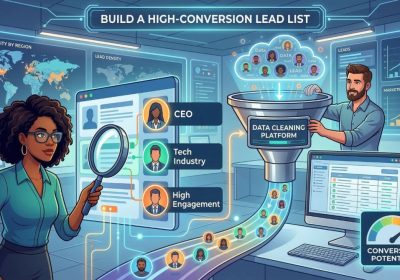
How to Build a Lead List That Converts
Building a truly effective lead list in today’s competitive business landscape is less about the…