

Uncovering Anonymous Website Visitors: How Roofers Can Convert Them into Customers
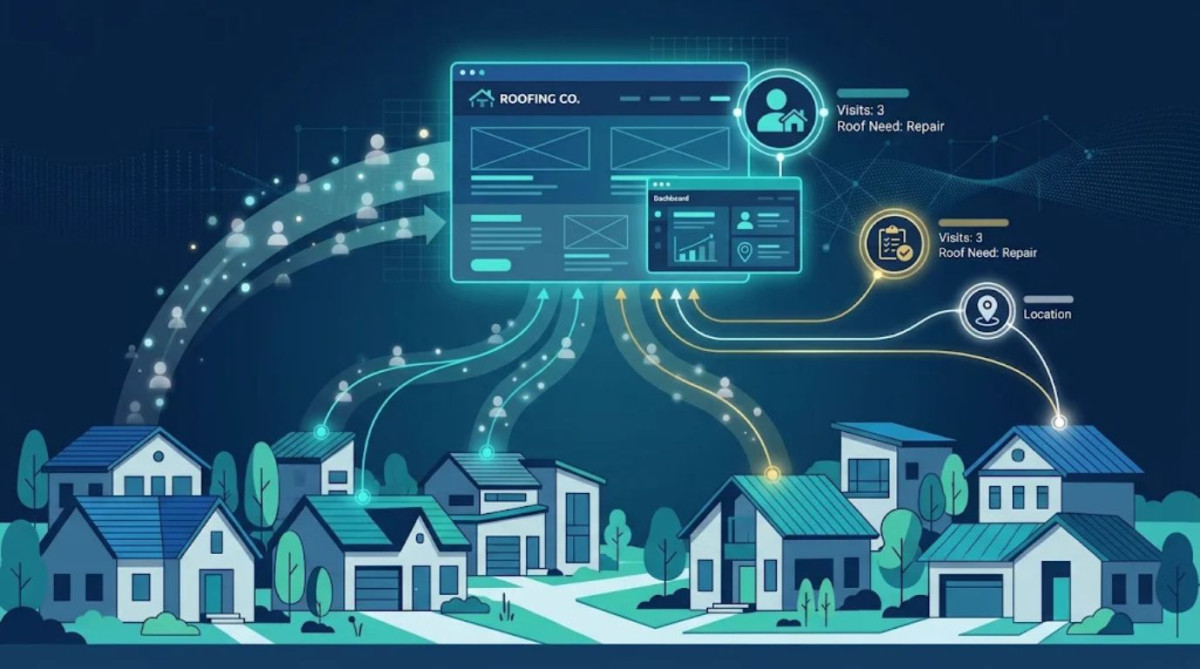
Your roofing business thrives on connecting with homeowners who need your services. But what happens when those homeowners anonymously browse your website? They might be researching options, comparing prices, or simply trying to understand their roofing needs. Without the right tools and strategies to identify anonymous website visitors, you’re missing a valuable opportunity to turn curious browsers into qualified leads and loyal customers. This blog post will equip you with practical strategies to uncover anonymous visitors, understand their intent, and implement effective methods to bring them into your sales funnel.
The Invisible Audience: Why Anonymous Website Visitors Matter
Think of your website as a busy street. People walk by all day, some glance in the shop window, others step inside. Your website is no different. All those clicks and page views represent potential customers exploring your services. However, the majority of these visitors arrive anonymously. They don’t fill out a form, they don’t call, and they don’t immediately identify themselves. These anonymous website visitors are often the most qualified leads you’ll encounter. They are actively searching for solutions, and if they’ve landed on your site, it means you’ve already piqued their interest. The challenge lies in identifying them and guiding them towards becoming paying customers.
For roofers, this is particularly critical. A homeowner experiencing a leak, a storm-damaged roof, or planning a replacement is usually not going to wait weeks to have their needs addressed. They are in active search mode, and your website might be one of many they visit in a single session. If you can’t capture their attention or encourage them to signal their interest effectively, they will likely move on to a competitor who can. The process of uncovering anonymous website visitors isn’t about intrusive surveillance; it’s about intelligent observation and thoughtful engagement. It’s about understanding the visitor journey and providing the right triggers to make them feel comfortable and confident enough to reach out.
The insights you gain from analyzing these anonymous interactions can illuminate your marketing efforts. They can tell you which pages are most engaging, where visitors are getting stuck, and what information they are most actively seeking. Armed with this knowledge, you can fine-tune your website’s design, content, and calls to action to better serve these anonymous browsers, ultimately converting their curiosity into concrete leads for your business. We will explore specific tools and techniques that allow you to bridge the gap between anonymity and engagement, helping you capture more of the valuable traffic that already finds its way to your digital doorstep.
Key Takeaways
- Anonymous website visitors represent your most engaged and potentially highest-intent leads.
- Identifying and engaging these visitors is crucial for converting them into paying customers.
- Utilizing tracking tools and conversion optimization techniques can significantly increase lead generation.
- A focus on user experience, trust signals, and clear calls to action is essential for turning browsers into leads.
Beyond the Anonymous: Understanding Visitor Intent
Before you can uncover anonymous website visitors, you need to understand why they are visiting. Are they in an emergency situation, desperately searching for “urgent roof repair near me”? Or are they in the early stages of research, looking for “how to choose a roofing contractor” or “cost of new roof”? Their intent dictates the type of information they need and the urgency with which they need it. This understanding is the bedrock of effective conversion.
When a homeowner is facing a crisis, their primary concern is speed and reliability. They want to see a clear path to immediate assistance. This means prominently displaying your emergency contact information, perhaps with a click-to-call button that works seamlessly on mobile devices. They might also be looking for reassurance – testimonials, certifications, and evidence of your local presence can build immediate trust.
On the other hand, a homeowner in the research phase is likely gathering information. They are interested in understanding materials, warranties, processes, and pricing expectations. This is where detailed blog posts, informative service pages, and visual content like before-and-after galleries or even short videos explaining your services become invaluable. Interactive tools, like a simple cost calculator or a downloadable guide to choosing a roofer, can also be powerful for these visitors.
To effectively cater to both types of anonymous website visitors, you need a multi-faceted approach. This involves analyzing their browsing behavior to infer their intent. For instance, if a visitor spends significant time on your “Emergency Services” page or repeatedly clicks on your “24/7 Repair” number, their intent is likely urgent. Conversely, extensive time spent on pages detailing different roofing materials or reading your company’s history suggests they are in a research phase.
One effective way to glean insights into visitor intent without them filling out a form is through analyzing the specific pages they visit and the order in which they visit them. Do they start on your homepage and then navigate to your “Services” section? Or do they land directly on a specific service page from a search engine result? These pathways offer clues. For example, a direct landing on a “Storm Damage Repair” page combined with a quick bounce to your “Contact Us” page strongly suggests an immediate need.
Turning Clicks into Conversation: Essential Conversion Tools

Now that you understand the importance of anonymous visitors and their intent, let’s talk about the practical tools that help you bridge the gap from anonymous browsing to a confirmed lead. These are not about complex technological wizardry, but about smart, user-friendly additions to your website that encourage interaction and provide pathways for them to identify themselves.
1. Prominent Calls to Action (CTAs)
This might seem obvious, but the effectiveness of your CTAs is paramount. For roofing businesses, especially for homeowners facing urgent issues, CTAs need to be immediately visible and actionable. Think “Get a Free Estimate,” “Request Emergency Service,” or “Call Us Now.” These should be above the fold on your homepage, and on every relevant service page. On mobile devices, a click-to-call button is a must. When a visitor taps it, their phone should immediately initiate a call to your business, removing a significant barrier to contact.
2. Trust Signals and Social Proof
Anonymous visitors are often wary. They want to be sure they are choosing a reputable contractor. Incorporating trust signals is a powerful way to convert these visitors. This includes:
- Customer Testimonials and Reviews: Display genuine reviews prominently. Consider integrating a system that pulls in reviews from platforms like Google or Yelp.
- Certifications and Awards: If you are part of industry associations or have received local recognition, showcase these badges.
- Portfolio Galleries: High-quality images and videos of your completed projects offer tangible proof of your work. Before-and-after comparisons are particularly impactful.
- “About Us” Transparency: A well-written “About Us” page that introduces your team, your company’s history, and your values can humanize your business and build connection.
3. Website Tracking and Analytics Tools
This is where you start to “uncover” the anonymous. Tools like Hotjar (and similar solutions) provide invaluable insights into user behavior on your website without them ever having to fill out a form. They offer:
- Heatmaps: These visually show you where users click, scroll, and move their mouse. You can see if they are interacting with your CTAs or if they are getting stuck on certain elements.
- Session Recordings: You can watch anonymized recordings of actual user sessions on your site. This is like being a fly on the wall, observing exactly how visitors navigate, what they struggle with, and where they might be leaving your site out of confusion or frustration.
- Form Analytics: If you have any forms, these tools can show you which fields are causing abandonment, helping you optimize your lead capture forms.
Using this data, you can identify patterns. For instance, if many visitors click on your “Request a Quote” button but then don’t proceed, you might need to clarify the process or adjust the form itself. If visitors repeatedly scroll past your contact information, it might not be prominent enough.
Leveraging Visuals and Interactivity for Engagement
In today’s digital landscape, static text alone often isn’t enough to capture the attention of anonymous website visitors. Roofers, in particular, can benefit immensely from visual and interactive content that showcases the quality of their work and builds confidence. These elements act as magnets, drawing visitors in and encouraging them to spend more time on your site, increasing the likelihood of conversion.
Drone footage of completed projects, for example, offers a unique perspective that ground-level photos can’t match. It can highlight the scale and detail of your work, showcasing a perfectly installed roof from an impressive vantage point. Similarly, before-and-after videos are incredibly powerful. They tell a story – the story of a problem solved and a home revitalized. Seeing the transformation in a dynamic video format is far more engaging than static images for many users.
Interactive content, such as a cost calculator, can also be a significant driver of engagement for anonymous visitors. While a precise quote requires a site visit, a calculator can provide homeowners with an estimated range based on common factors like roof size, material type, and complexity. This gives them valuable information early in their research phase, positioning your company as a helpful resource. If the estimate aligns with their budget expectations, they are much more likely to proceed with a formal quote request.
Consider also creating explainer videos that walk potential clients through your services. A short video detailing your roofing process, from initial consultation to final inspection, can demystify the experience and build trust. This is especially helpful for homeowners who may not be familiar with roofing terminology or procedures. These types of rich media assets not only attract attention but also keep visitors on your site longer, providing more opportunities for them to find the information they need and feel confident about reaching out.
Integrating these visual and interactive elements requires careful planning. Your website needs to be able to support these media types without compromising loading speed, as slow-loading pages can drive away even the most interested visitors. Ensure that all video content is high-quality but optimized for web use. Likewise, any interactive tools should be intuitive and easy to use, providing a seamless experience for the user. The goal is to provide value and information in an engaging format that makes your business stand out from the competition.
Capturing the Urgent: Local SEO and Emergency Preparedness
For roofers, a significant portion of your anonymous website visitors are likely experiencing or anticipating urgent needs. A storm has just hit, a leak is growing, or a homeowner is worried about imminent bad weather. In these high-stakes situations, local search engine optimization (SEO) and clear emergency service protocols are not just marketing tactics; they are lifelines to customers.
Your local SEO strategy should be laser-focused on transactional keywords. These are the terms homeowners type into search engines when they are ready to do business, such as “emergency roof repair [your city],” “gutter repair near me,” or “roof leak repair contractor.” Ensure your Google Business Profile is fully optimized with accurate contact information, hours, service areas, and up-to-date photos. Consistent citations across online directories also build your local authority.
When a homeowner searches for an emergency service, they expect immediate results and reassurance. Your website needs to reflect this urgency. Have a dedicated “Emergency Services” page that is easily accessible from your homepage. This page should clearly state your availability, your response time commitment, and provide a prominent, clickable phone number. Consider adding trust badges like “24/7 Service Available” or “Fast Response Guaranteed.” These visual cues help anonymous visitors quickly assess your ability to meet their urgent needs.
Furthermore, think about the user experience for someone in distress. Mobile optimization is non-negotiable. Many emergency searches happen on smartphones. A slow-loading or difficult-to-navigate mobile site is a guaranteed way to lose an emergency lead. Ensure your contact information is not just visible but easily tappable, leading directly to a phone call.
To further convert these urgent anonymous visitors, consider adding a simple “Emergency Checklist” on your emergency page. This could outline what homeowners should do immediately (e.g., cover interior damage, shut off utilities if necessary, gather insurance information) and what your team will do upon arrival. This proactive approach demonstrates preparedness and positions your company as a knowledgeable and reliable partner during a stressful time.
By combining robust local SEO with a clear, user-friendly, and reassuring emergency service offering on your website, you can effectively attract and convert those anonymous visitors who are facing immediate roofing challenges. This focus on preparedness and immediate accessibility is key to turning a crisis for a homeowner into a business opportunity for you.
The Next Step: From Anonymous to Accounted For
Uncovering anonymous website visitors isn’t about a single magic bullet; it’s a continuous process of understanding, engaging, and optimizing. You’ve learned that these visitors represent a significant opportunity, and by applying the right strategies, you can transform them from unseen browsers into valuable leads. The key is to think like your customer: what information do they need? What assurances do they seek? How quickly do they need help?
By implementing prominent calls to action, building trust through testimonials and your portfolio, and utilizing website analytics to understand visitor behavior, you are laying the groundwork for increased conversions. The power of visual and interactive content, along with a focused local SEO strategy for urgent needs, further enhances your ability to capture attention and build confidence.
Don’t let potential customers slip through your digital fingers. Start by reviewing your website through the eyes of an anonymous visitor. Is your contact information obvious? Are your services clearly explained? Do you offer compelling reasons to choose you over a competitor?
Your next step should be to select one or two of the strategies discussed and begin implementing them. Perhaps today you focus on optimizing your “Request a Free Estimate” button to be more prominent on mobile. Or maybe you decide to add a dedicated “Emergency Services” page with a prominent click-to-call number. Small, actionable steps can lead to significant improvements in how effectively you convert the anonymous traffic that already lands on your site.
By making your website a welcoming, informative, and action-oriented space, you can systematically turn those fleeting anonymous visits into meaningful conversations and, ultimately, loyal customers for your roofing business.
FAQs
1. How can roofers identify anonymous website visitors?
Roofers can use website visitor tracking tools and IP address identification software to gather information about anonymous visitors. These tools analyze visitor behavior, location, and company data to help identify potential leads.
2. What technologies are commonly used to track anonymous visitors?
Common technologies include IP tracking software, cookies, heatmaps, and analytics platforms like Google Analytics. Some specialized services also provide reverse IP lookup and visitor identification features tailored for contractors.
3. Why is it important for roofers to identify anonymous website visitors?
Identifying anonymous visitors allows roofers to understand their audience better, generate qualified leads, and tailor marketing efforts. This can increase conversion rates by turning casual browsers into paying customers.
4. How can roofers turn identified visitors into customers?
Once visitors are identified, roofers can follow up with personalized emails, targeted ads, or phone calls. Offering free estimates, consultations, or special promotions can also encourage visitors to become customers.
5. Are there privacy concerns when tracking anonymous website visitors?
Yes, roofers must comply with privacy laws such as GDPR and CCPA. It is important to inform visitors about data collection practices and obtain necessary consents to ensure ethical and legal tracking.
Related Posts
Reaching Homeowners Who Didn’t Submit: Solar Installers’ Guide
Have you ever looked at your marketing efforts and felt like you were casting a…

Reconnecting with Homeowners: Pool Service Companies Reach Out
You’ve built a solid pool service business. Your team is skilled, your equipment is reliable,…

How to Identify Anonymous Website Visitors and Generate More B2B Leads
Your website attracts potential customers every day, but many leave without revealing who they are…