

Tree Service Providers: Finding Property Owners Who Need Tree Work Immediately
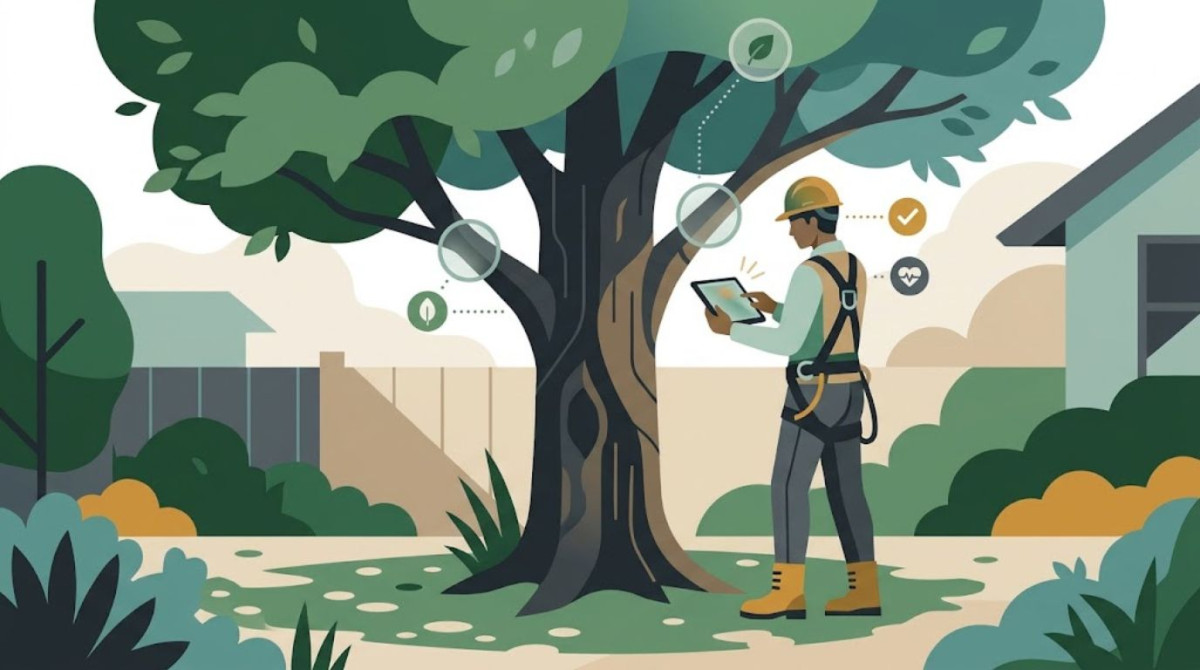
Emergency tree services are essential when severe weather or unexpected tree damage threatens property, safety, and accessibility. For property owners in storm-prone regions like Dallas-Fort Worth, identifying immediate tree service needs is not merely about aesthetic upkeep but also about preventing injuries, preserving property, and mitigating potential liabilities. This guide offers a comprehensive overview for property owners and managers seeking timely and effective tree care solutions, detailing how to recognize urgent situations and where to find reliable assistance.
Key Takeaways:
- Immediate tree service needs often arise from storms, creating hazards like fallen trees and dangerous limbs.
- Reliable providers in DFW, like Southern Botanical, offer 24/7 emergency response and implement queue systems during high demand.
- Verify certifications (e.g., ISA) and insurance for liability and worker protection before engaging a service.
- Clear communication of urgency and understanding service limitations (like debris haul-off during peaks) are crucial.
- Proactive maintenance and an emergency contact list significantly reduce future risks.
The Impact of Storms
Storms, whether microbursts, thunderstorms, or larger weather systems, are primary drivers of immediate tree service requirements. High winds, heavy rainfall, and lightning can severely compromise tree integrity.
Fallen Trees and Limbs
Trees or large limbs that have fallen onto structures, vehicles, or block access points constitute an immediate hazard. Such incidents require rapid response to clear debris, assess structural damage, and ensure public safety. In Dallas-Fort Worth, for instance, providers like Southern Botanical and Bladi’s Tree Service specifically advertise 24/7 emergency response capabilities to address these urgent situations swiftly.
Hazardous Limbs
Limbs that are broken, cracked, or severely weakened and pose an imminent threat of falling are considered hazardous. These might be dangling precariously over power lines, pathways, or residential areas. Proactive removal of such limbs is essential to prevent injury and property damage. Recognizing the urgency, services such as Arbor Tree Care in Arlington offer 24-hour service to mitigate these risks.
Structural Compromise
A tree’s overall structural integrity can be compromised by severe weather, disease, or pests. Signs like significant leaning, large cracks in the trunk or major branches, or soil heaving around the base indicate a critical risk of complete failure. Addressing these issues immediately, sometimes through cabling, bracing, or prompt removal, is crucial.
For tree service providers looking to connect with property owners in urgent need of tree work, understanding the broader landscape of lead generation and marketing strategies is essential. An insightful article that delves into effective methods for attracting clients in this niche can be found at Lead Eagle in the Media. This resource offers valuable tips and techniques that can help tree service businesses enhance their visibility and reach those who require immediate assistance with tree-related issues.
Identifying Reliable Tree Service Providers

When an immediate need for tree service arises, selecting a competent and trustworthy provider is paramount. The market, especially in high-demand areas like DFW, can be saturated, making careful selection essential.
Vetting Credentials and Experience
The experience and professional qualifications of a tree service provider directly impact the quality and safety of the work performed.
Certifications and Insurance
Ensure the company holds appropriate certifications, such as those from the International Society of Arboriculture (ISA). ISA certification signifies a professional understanding of arboriculture. Crucially, verify that the provider carries comprehensive liability insurance and workers’ compensation insurance. This protects you from financial responsibility in case of accidents or damage during the service. Companies like Best Choice Tree Care in Arlington, being BBB-accredited, often highlight their commitment to professional standards and consumer protection.
Emergency Response Capabilities
For immediate needs, a provider’s ability to respond quickly is non-negotiable. Many companies, especially in storm-prone regions, advertise dedicated emergency services. Texas Tree Surgeons, for example, have an emergency queue system to manage high volumes of requests efficiently, prioritizing safety and systematic dispatch. This system, relying on email or website requests, ensures fairness during peak demand periods.
Assessing Local Expertise and Reputation
A provider’s local presence and established reputation often correlate with their understanding of regional tree species, common issues, and local regulations.
Understanding Local Climate and Tree Types
Local providers are typically more familiar with the specific challenges posed by the regional climate, such as the types of storms prevalent in DFW, and the health issues common to local tree species. This expertise allows for more accurate diagnoses and effective solutions.
Customer Reviews and Testimonials
In the digital age, customer reviews on platforms like Google, Yelp, or industry-specific sites offer valuable insights into a company’s reliability, professionalism, and customer service. Look for consistent positive feedback, particularly regarding responsiveness and quality of work during emergencies. Recent customer needs in Fort Worth, as reported by LawnStarter, frequently cite “ASAP tree removal” and “trimming branches near houses/fences,” indicating a demand for prompt and precise service.
Navigating the Emergency Service Process
Hiring an emergency tree service provider involves several steps, from initial contact to the completion of the work. Understanding this process can help manage expectations and ensure a smooth resolution.
Initial Contact and Assessment
Upon identifying an immediate tree service need, the first step is to contact potential providers.
Clear Communication of Urgency
When reaching out, clearly articulate the emergency nature of your request. Provide precise details about the situation, including images if possible, to help the provider understand the scope and urgency. Mention if the tree is on a structure, posing a direct threat, or blocking access.
Remote and On-Site Evaluations
Some providers may offer initial remote assessments based on photographs and descriptions. However, for significant emergencies, an on-site evaluation is often necessary to accurately gauge the hazard, determine the scope of work, and provide a precise estimate. Be prepared for potential service charges for immediate on-site evaluations outside of standard business hours.
If you’re a tree service provider looking to connect with property owners in urgent need of tree work, understanding effective marketing strategies can be crucial. A related article that delves into innovative approaches for reaching potential clients is available at this link. By exploring these strategies, you can enhance your visibility and ensure that those in need of immediate assistance can find your services quickly.
Understanding Service Limitations During Peak Times
During widespread emergency events, such as a major storm in DFW, tree service providers can become overwhelmed.
Prioritization and Queue Systems
As noted with Texas Tree Surgeons, providers often implement queue systems to prioritize the most dangerous situations first. This means that while your situation might be urgent, other properties might face more immediate life-threatening or extensive property damage. Patience, while difficult, is necessary.
Debris Haul-Off Considerations
During peak emergency periods, some services may explicitly state limitations, such as not offering debris haul-off immediately. The priority is often to clear hazards quickly, leaving the debris for a later, separate service or for property owners to manage. This is a crucial detail to clarify upfront.
Proactive Measures and Long-Term Tree Health
While this guide focuses on immediate needs, proactive tree care is the most effective way to minimize emergencies. Regular maintenance can prevent many of the critical situations discussed.
Routine Inspections and Maintenance
Regular inspections by a certified arborist can identify potential issues before they become emergencies.
Pruning and Trimming
Scheduled pruning removes dead, diseased, or weak branches, reducing the likelihood of them falling during a storm. This also helps maintain the tree’s structural integrity and overall health. For instance, specific requests, such as “trimming branches near houses/fences,” often appear on LawnStarter, highlighting the common need for preventative or immediately addressing encroaching growth.
Disease and Pest Management
Early detection and treatment of diseases or pest infestations can save a tree from decline and structural weakening. A healthy tree is inherently more resistant to storm damage.
Emergency Preparedness Plan
Having a plan in place before a storm hits can significantly reduce stress and damage.
Identifying Vulnerable Trees
Periodically assess your property for trees that appear stressed, significantly lean, or have major overhanging limbs, especially near structures or power lines. These are candidates for proactive expert evaluation.
Emergency Contact List
Maintain a readily accessible list of reputable emergency tree service providers. This saves valuable time when an immediate response is required. Services listed by Trees.com and LawnStarter, covering over 18 DFW providers like Texas Tree Surgeons, offer a good starting point for building such a list.
In conclusion, understanding immediate tree service needs hinges on recognizing hazards—fallen trees, dangerous limbs, and structural compromise—often intensified by storms prevalent in areas like Dallas-Fort Worth. Selecting a reliable provider necessitates vetting their credentials, insurance, and emergency response capabilities, exemplified by providers such as Tree Masters in Arlington. By adopting a diligent approach, property owners can safeguard their assets and ensure the well-being of their environment.
FAQs
What types of tree services do property owners commonly need?
Property owners often require services such as tree trimming, pruning, removal, stump grinding, and emergency tree care after storms or damage.
How can tree service providers identify property owners who need immediate tree work?
Providers can identify urgent needs by monitoring local weather events, inspecting properties for damaged or hazardous trees, responding to emergency calls, and networking with real estate agents or insurance companies.
What qualifications should a reputable tree service provider have?
A reputable provider should have proper licensing, insurance, certified arborists on staff, experience with various tree care techniques, and positive customer reviews.
Why is timely tree work important for property owners?
Timely tree work helps prevent property damage, ensures safety, maintains tree health, and can improve the aesthetic and value of the property.
How do tree service providers typically communicate with property owners about urgent tree work?
Providers often use direct outreach methods such as phone calls, door-to-door visits, online advertising targeting local areas, and emergency response services to connect with property owners in need.
Related Posts

The True Cost of Chasing Unqualified Leads
You're a business owner or a marketing director focused on growth. You’re investing in marketing,…

Window Installation Marketing Strategies: Attracting Homeowners Comparing Installation Quotes
Attracting Homeowners Comparing Window Installation Quotes: A Practical B2B Marketing Guide As a business owner…

How to Build a Lead List That Converts
Building a truly effective lead list in today’s competitive business landscape is less about the…