

Maximize Your ROI With First Party Data Facebook Ads Solutions
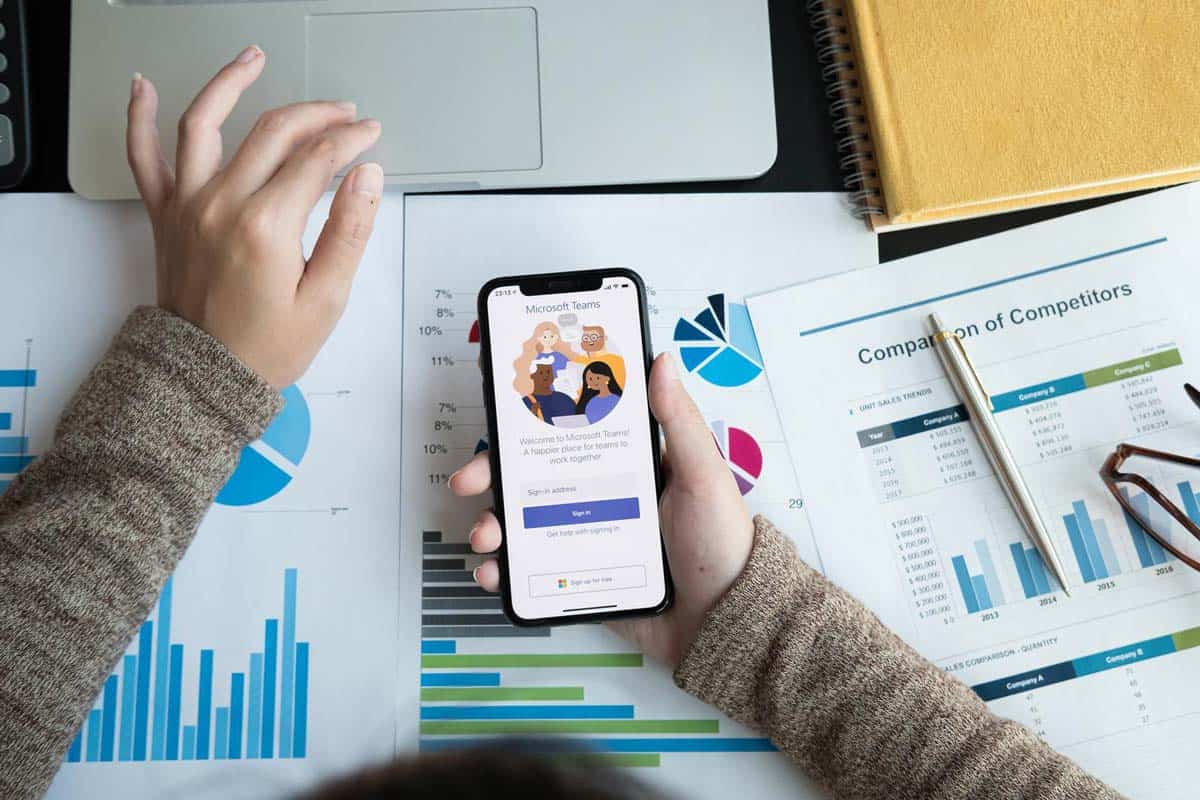
The release of IOS 14.5 by Apple in April 2021 has had a drastic effect on Facebook ad campaigns, causing the majority of website/landing page visitors to become unidentifiable and reducing ROI for many marketers. While this is an issue that needs immediate attention, first party data facebook ads solutions offer hope to those affected. By leveraging in-market data and visitor identity graphs along with deanonymization technology, ecommerce store owners can increase their paid ad campaign ROI despite the impact of IOS 14.5 . In this article, we’ll explore how these first party data solutions work as well as best practices for maximizing your return on investment when using them for Facebook Ads.
Table of Contents:
- Understanding the Impact of IOS 14.5 on Facebook Ads
- First Party Data Solutions to Increase ROI on Facebook Ads
- In-Market Data and Visitor Identity Graphs for Improved Targeting
- Deanonymization Technology for Increased Conversion Rates
- Best Practices for Maximizing ROI with First Party Data Solutions on Facebook Ads
- FAQs in Relation to First Party Data Facebook Ads
- Conclusion
Understanding the Impact of IOS 14.5 on Facebook Ads
Apple’s IOS 14.5 update has had a major impact on the way Facebook Ads are delivered and managed. This update requires users to opt-in before their data can be used for targeted ads, making it difficult for advertisers to reach their desired audiences. As a result, many ad campaigns have been affected by this change in policy.
What is IOS 14.5?
IOS 14.5 is an operating system update released by Apple that includes several new features such as App Tracking Transparency (ATT). ATT requires apps to ask permission from users before tracking them across other apps or websites owned by third parties for advertising purposes. This means that companies must now obtain explicit consent from customers before collecting and using their data for targeting ads on Facebook or any other platform.
How Does IOS 14.5 Affect Facebook Ads?
The introduction of ATT has had a significant effect on how advertisers target potential customers through Facebook Ads since they no longer have access to user data collected prior to the release of IOS 14.5 without obtaining explicit consent first. This makes it more difficult for marketers to create effective campaigns as they are unable to use demographic information or past purchase history when targeting specific audiences with ads, resulting in lower click-through rates and higher costs per acquisition (CPA).
What Are the Implications for Advertisers?
It is essential for marketers to understand the implications of IOS 14.5 on their Facebook ad campaigns in order to maximize ROI and ensure success. By leveraging first party data solutions, advertisers can mitigate the impact of IOS 14.5 and increase campaign performance.
First Party Data Solutions to Increase ROI on Facebook Ads
First Party Data is data that is collected directly from a website or app. It can include user behavior, preferences, and other information related to the customer’s journey on the platform. This type of data provides valuable insights into how customers interact with an online business and can be used to optimize ad campaigns for better performance.
How Can First Party Data Help Improve Ad Performance? By leveraging first party data, advertisers are able to gain a deeper understanding of their target audience and create more effective ads tailored specifically for them. This helps increase engagement rates as well as conversion rates by targeting the right people at the right time with relevant content. Additionally, first party data can help reduce costs associated with advertising campaigns by optimizing budgets based on customer behavior patterns.
Finally, deanonymization technology enables marketers to connect anonymous web visitors back into real identities so they can retarget them more effectively with targeted messaging throughout their entire customer journey from discovery through purchase completion. This technology helps increase conversion rates by delivering personalized messages that are tailored to each individual user’s interests and behaviors.
First party data solutions are a powerful tool to help increase ROI on Facebook Ads, especially in light of IOS 14.5 changes. By leveraging in-market data and visitor identity graphs, advertisers can further refine their targeting and maximize their ad performance.
In-Market Data and Visitor Identity Graphs for Improved Targeting
In-Market Data is a type of data that provides insights into consumer behavior and preferences. It can be used to identify potential customers who are actively searching for products or services related to the advertiser’s offerings. By leveraging in-market data, advertisers can create more targeted campaigns that reach consumers who are likely to convert.
Visitor Identity Graphs provide an additional layer of targeting by connecting anonymous website visitors with their real identities across devices and channels. This allows advertisers to target ads at specific users based on their past behaviors and interests, as well as retarget them with personalized offers.
Advertisers can leverage these tools through audience segmentation and lookalike modeling techniques. Audience segmentation involves dividing audiences into smaller groups based on shared characteristics such as age, gender, location, purchase history, etc., allowing for more precise targeting of ads. Lookalike modeling uses machine learning algorithms to identify similar users from a larger pool of potential customers who have not yet interacted with the brand but may be interested in its offerings due to their similarities with existing customers.
To maximize ROI from first party data solutions on Facebook Ads, it is important for advertisers to use these tools effectively. This includes setting up proper tracking systems and testing different strategies before launching campaigns. Additionally, performance should be monitored regularly using analytics tools such as Google Analytics or Adobe Analytics in order to make necessary adjustments if needed and ensure maximum return on investment from ad spendings over time.
In-Market Data and Visitor Identity Graphs are powerful tools for improving targeting accuracy and ROI. With the right solutions, you can leverage these technologies to maximize your ad campaigns’ effectiveness. Now let’s take a look at how Deanonymization Technology can help increase conversion rates.
Deanonymization Technology for Increased Conversion Rates
Deanonymization technology is a powerful tool for increasing conversion rates on Facebook Ads. It allows advertisers to gain insights into the behaviors and interests of their target audience, enabling them to create more effective campaigns that are tailored to their customers’ needs. By leveraging deanonymization technology, advertisers can improve ad performance by targeting users who are more likely to convert.
What is Deanonymization Technology? Deanonymization technology uses data points such as IP addresses, device IDs, and user profiles to identify individual users and track their online activities across multiple platforms. This information can then be used by marketers to better understand their target audiences and create ads that are tailored specifically for them.
How Can Deanonymization Technology Help Increase Conversion Rates? By using deanonymized data, marketers can gain insight into the behaviors of their target audience in order to create ads that are more relevant and engaging. This helps increase conversions because it ensures that only those people who have an interest in the product or service being advertised will see the ad – thus reducing wasted impressions from uninterested viewers. Additionally, deanonomized data also enables marketers to segment audiences based on specific criteria such as age range or location so they can deliver highly targeted messages with greater accuracy than ever before.
By leveraging the power of deanonymization technology, advertisers can increase conversion rates and maximize ROI on their Facebook ad campaigns. Now let’s look at how to best utilize first party data solutions for maximum success with Facebook Ads.
Best Practices for Maximizing ROI with First Party Data Solutions on Facebook Ads
Advertisers looking to maximize ROI on Facebook Ads affected by IOS 14.5 should utilize first party data solutions. To do this, they must employ a variety of strategies when implementing these solutions and use tools to monitor and measure their performance over time.
When leveraging first party data solutions, advertisers should begin by collecting as much information about their customers as possible. This includes demographic information such as age, gender, location, interests, and purchase history. Advertisers can then use this data to create more targeted campaigns that will be more likely to convert into sales or leads. Additionally, they should look for ways to segment their audiences in order to better target specific customer segments with tailored messaging and offers that are most relevant to them.
In addition to utilizing customer data for targeting purposes, advertisers should also take advantage of in-market data and visitor identity graphs (VIGs). In-market data is used by marketers to identify potential customers who are actively researching products related to the advertiser’s offering while VIGs help marketers track individual visitors across multiple devices so they can serve ads based on previous interactions with the brand or website. By using both of these tactics together, advertisers can ensure that their ads are reaching the right people at the right time with messages tailored specifically for them which increases chances of conversion significantly.
FAQs in Relation to First Party Data Facebook Ads
What is first party data on Facebook?
First party data on Facebook is information collected directly from users, such as their likes, interests, and behaviors. This data can be used to target ads more accurately and increase the return on investment of ad campaigns. It allows advertisers to personalize content for each user based on their individual preferences. First party data also helps marketers understand how customers interact with their brand across different channels and devices, allowing them to create better experiences for customers. By leveraging first-party data, brands can optimize campaigns for maximum ROI while providing a personalized experience that resonates with users.
What is first party data in advertising?
First party data in advertising is information collected directly from a user or customer, such as website visits, purchases, email subscriptions and interactions with content. This data can be used to better understand customers’ needs and preferences so that more targeted ads can be created. First party data also allows advertisers to track the effectiveness of their campaigns by providing insights into how users interact with them. By leveraging first-party data, marketers are able to create more relevant experiences for their audiences while improving ROI on ad spend.
Is retargeting 1st party data?
No, retargeting is not considered 1st party data. Retargeting involves using 3rd party data to target ads to users who have already interacted with a website or app. This means that the advertiser does not own the data and has no control over it. On the other hand, 1st party data refers to any information collected directly from customers by an organization through their websites, apps, surveys, etc., which they can then use for marketing purposes.
What is 1st Party vs 2nd party vs 3rd party data?
1st Party Data is data collected directly from the source, such as a website or app. This data can be used to better understand user behavior and preferences, allowing for more personalized marketing experiences.
2nd Party Data is when two companies share their own 1st party data with each other in order to gain insights into customer behavior and preferences.
3rd Party Data is when an outside company collects data from multiple sources (such as websites or apps) and then sells it to businesses for use in marketing campaigns. This type of data can provide valuable insights but may not always be accurate or up-to-date.
Conclusion
In conclusion, first party data solutions are the key to solving ad campaign ROI problems caused by IOS 14.5 and increasing conversion rates on Facebook ads. By utilizing in-market data, visitor identity graphs, and deanonymization technology, businesses can maximize their return on investment with targeted campaigns that reach the right audience at the right time. With a comprehensive understanding of these tools and best practices for implementation, businesses can leverage first party data facebook ads to get ahead of their competition in 2023 and beyond.
Related Posts
Unlocking Customer Insights: Leveraging 1st Party Data
The contemporary digital landscape is undergoing a significant transformation, driven largely by evolving privacy regulations,…

Adapting to iOS Privacy Updates: Impact and Strategies
Explore the impact of iOS privacy updates on ads, and learn strategies to adapt while…

Unlock the Power of Our Identity Graph to Maximize Your Ad Campaign ROI!
Maximize your ad campaign ROI with an identity graph pixel! Learn how to use this…